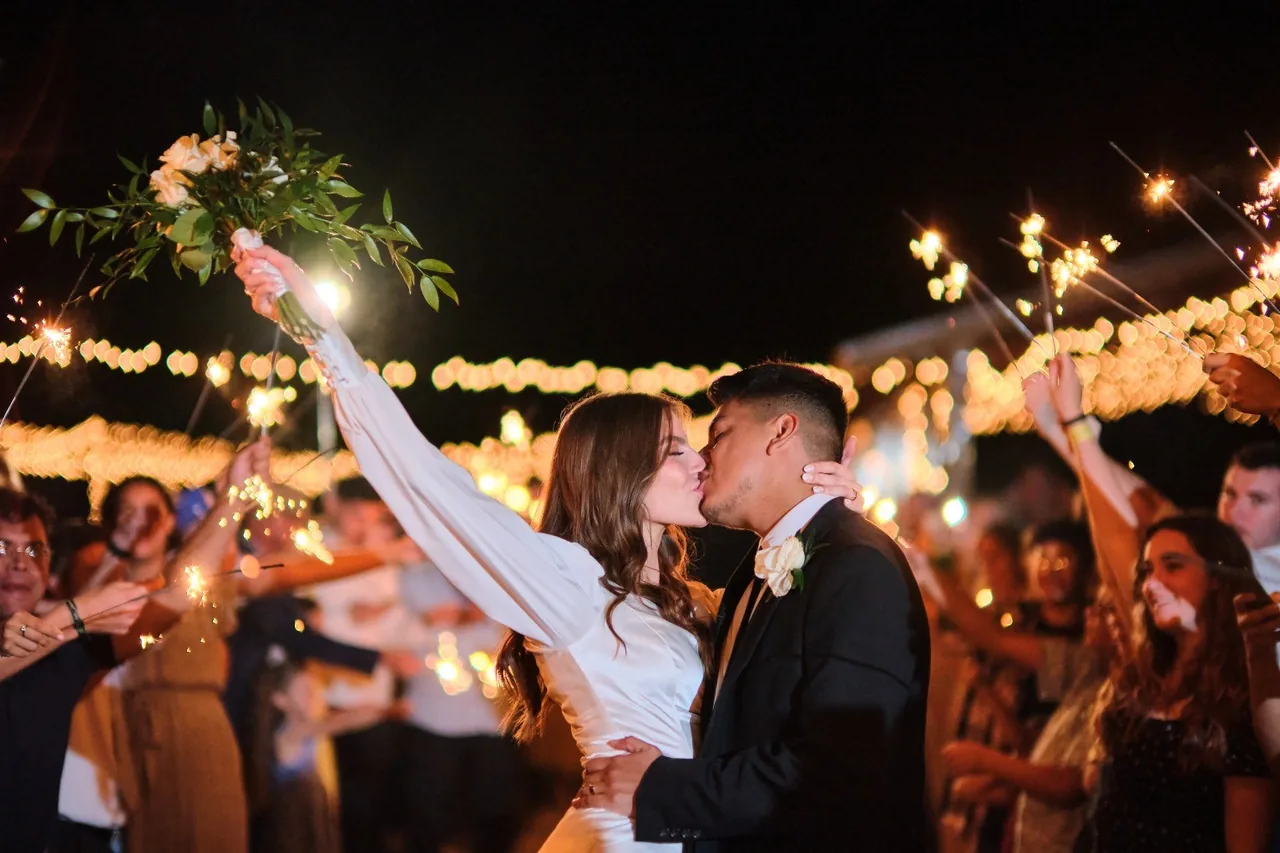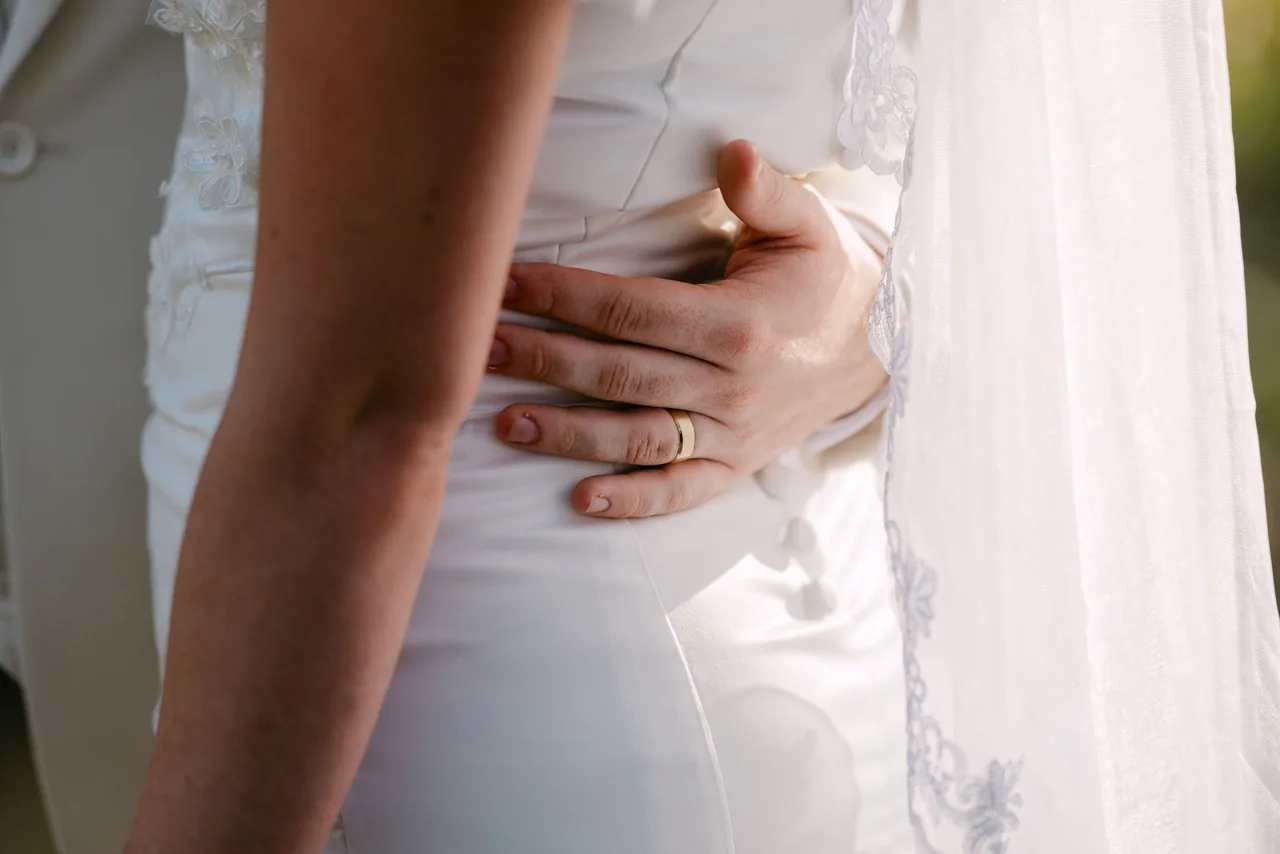
The wedding ends. The team drives home with a bag of memory cards holding several thousand photographs and a few hours of footage. Then, for most couples, the silence starts.
Here is what happens in that silence, and why it usually takes two or three months.
Backing up and culling
Every card is copied to two or three places before anyone sleeps. Then the cull: several thousand frames come down to the six hundred to two thousand that will be finished. Duplicates, blinks, and test frames go. This is a day or two of work, and it is the easy part.
Editing
Each remaining photograph is adjusted for exposure, color, and crop so the whole gallery feels like one day, whether it was shot in a dark church or on a bright beach. One person doing this alone, around other weddings, is where weeks disappear. Studios that shoot forty weddings a season are editing in a queue, and you are somewhere in it.
The film
A five to ten minute film is cut from hours of footage, synced to the ceremony audio, laid against a song, and color graded to match the photographs. Done well it takes days of focused work. Done in a queue, it takes months.
What one week changes
We split editing across a team the week of your wedding, with a producer who already knows your day from the months of questions. That is how live photos reach your guests during the reception, first memories arrive the next morning, and everything is finished within a week.
The speed is not the point. The point is that your wedding is still the thing everyone is talking about when the photographs arrive. You get to relive it while it is fresh, with the people who were there, instead of as a notification three months later.